
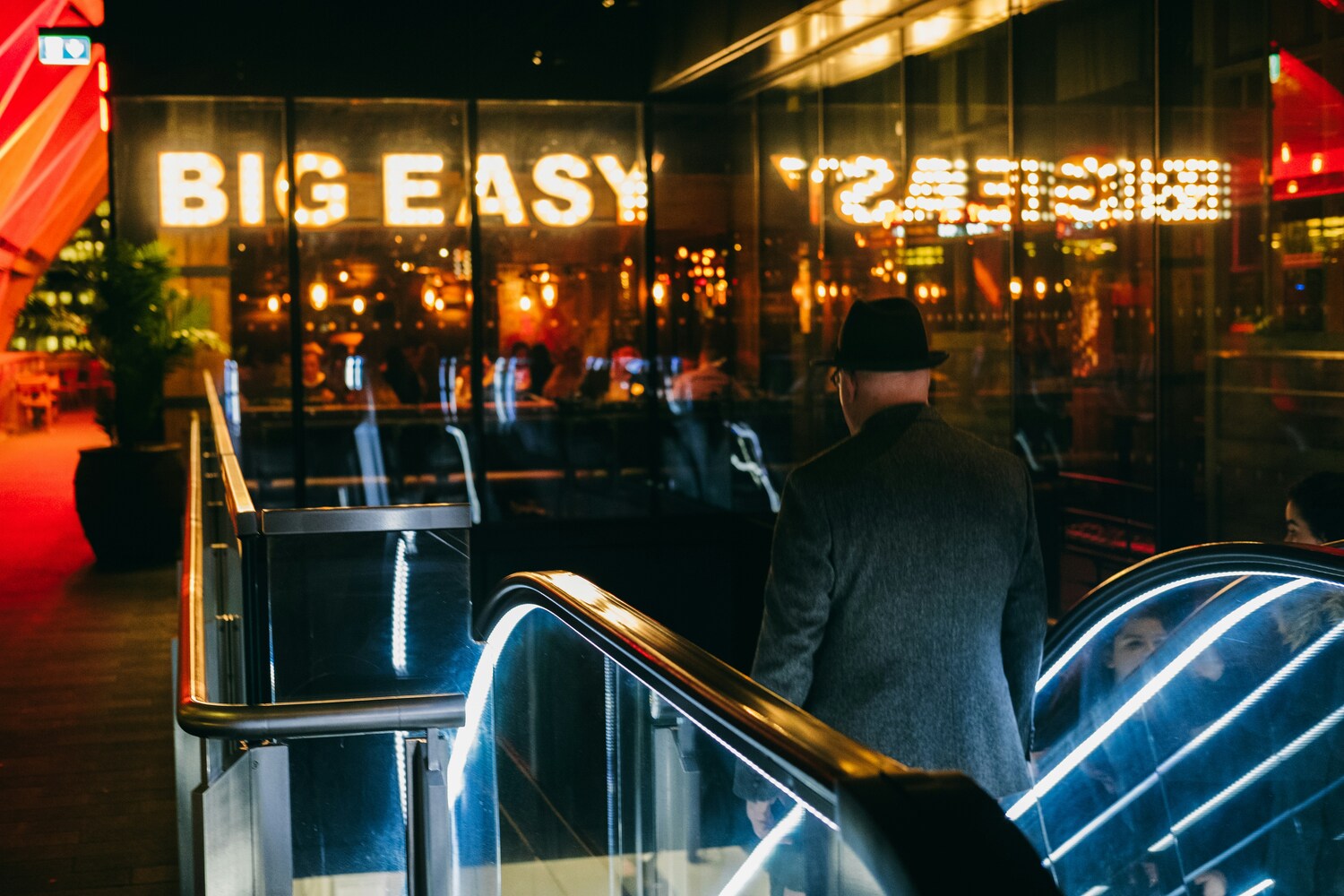
There’s something inherently poetic about New Orleans. It moves slower, breathes deeper, celebrates more loudly, and invites you in like an old friend. It’s no wonder the city is affectionately known as “The Big Easy.” But where did that nickname come from, and how does it reflect the spirit of NOLA?
In this post, we’ll explore several theories about how New Orleans earned its famous moniker, dig into what it tells us about the city’s culture, and yes — even look at parking in New Orleans, parking garage New Orleans logistics, Canal Street parking, and where to park in the French Quarter so your stay here can be truly easy.
Theories Behind “The Big Easy”
There’s no single definitive origin story, but several compelling threads weave together to explain how New Orleans became known as the Big Easy.
1. Jazz, Musicians & Opportunity
One of the most enduring theories ties the nickname to New Orleans’ music scene. At a time when many cities made it difficult for African American musicians to find steady gigs, New Orleans offered more opportunities. Because the city was steeped in jazz culture, artists could more easily find work in clubs, dance halls, street corners — in short, the music scene made it “easy” to perform here.
Some suggest that the term was used by musicians themselves, or by writers referencing that ease of creative opportunity.
2. The Big Easy Hall in Gretna
Another popular origin points to the “Big Easy Hall,” a dance hall operating in the early 1900s in Gretna, across the Mississippi River from New Orleans. That venue is sometimes credited with helping popularize the phrase.
Because that hall was associated with music, dance, and social gathering, its name may have filtered into broader use for the region.
3. Contrasting with the Big Apple
A literary and media route is also strong. Around the late 1960s and 1970s, local columnist Betty Guillaud is said to have borrowed from New York’s nickname “The Big Apple” and coined “The Big Easy” to contrast New Orleans’ laid-back lifestyle with New York’s hustle.
Later, the 1970 novel The Big Easy (by James Conaway) and the 1986 film adaptation helped cement the nickname in popular culture.
4. Relaxed Laws & Social Attitudes
Some historians argue that the nickname also reflects New Orleans’ historically permissive social and nightlife culture. Even during Prohibition, the city’s nightlife, jazz clubs, and social gathering spaces were lively. Because of that, the city’s reputation as a place where enjoyment wasn’t so hard to find may have contributed to the “Easy” moniker.
Others suggest that it refers to the ease of living — lower barriers for artists, more tolerance for personal freedoms, and a more relaxed pace compared to many northern or metropolitan cities.
The Big Easy Captures a Feeling
Whatever its precise origin, the nickname resonates because it reflects how many people experience New Orleans. The city seems to move at its own pace — one where the music, the food, the neighborhoods, and the people all align under a rhythm that doesn’t rush.
Locals often joke that no one is truly in a hurry here. “We don’t take one day at a time; we take each hour at a time,” as one observer put it.
It’s a place where strolling past jazz clubs, grabbing a café au lait at dawn, or lingering in a courtyard feels natural. The ease of movement, enjoyment, and atmosphere is part of the charm.
Still, there’s a practical side, especially for visitors. That relaxed spirit doesn’t always translate to logistical convenience — particularly when it comes to cars and parking.
Navigating Parking in New Orleans
Yes, the nickname suggests ease, but when you arrive with a car, things can feel a bit more complicated. That’s where planning your parking in New Orleans becomes essential.
Parking Garage New Orleans Options
Garages are often your best bet in dense parts of the city. For those aiming to explore the French Quarter, the Warehouse District, or Canal Street, parking in a secure garage gives you peace of mind and easier access. Many garages operate 24/7, offer in/out privileges, and are safer than street parking.
When choosing a garage:
- Check whether there are height restrictions or limited access for larger vehicles.
- Confirm hours and whether overnight parking is allowed.
- Compare rates, especially during event weekends (Jazz Fest, Mardi Gras, etc.).
Canal Street Parking
Because Canal Street runs right along the edge of the French Quarter and intersects many major routes, Canal Street parking is a strategic option. If you can park near Canal Street, you’ll gain quick walking access into the heart of the city without needing to drive deeper into tight streets.
Places along or near Canal Street often host mixed-use lots or parking garage access that feed into transit stops, streetcars, or pedestrian paths.
French Quarter Strategy: Where to Park in the French Quarter
The French Quarter is a walking district at its core — narrow streets, many pedestrians, one-way routes, and limited space. So where to park in the French Quarter typically means parking just outside or in a nearby garage and walking in.
Tips:
- Arrive early to scoop up garage or lot availability.
- Use garages on the edges — Bourbon, Royal, Decatur side streets — that feed into French Quarter walking paths.
- Some garages let you leave and return later if you plan to come back to the car.
- During high-season, expect premium rates; reserve ahead if possible.
General NOLA Parking Tips
- Check real-time availability — neworleansparking.com can help you see open spots.
- Avoid circling too long — it’s tempting to hunt for free street parking, but that often costs you time.
- Choose security over cost — a well-lit garage is better than risking street parking in unfamiliar areas.
- Factor walking distance — parking a few blocks away may save money but add steps; weigh comfort vs. cost.
So What Connects “The Big Easy” and Parking?
The nickname tells us that New Orleans is meant to be savored: easygoing, musical, social, full of life. But cars don’t always get that memo. The charm of NOLA comes with real constraints of streets, infrastructure, and dense urban layout.
To really live up to “The Big Easy,” your trip needs a smooth start — and that often means locking in your parking in advance. Treat that as part of the experience, not an afterthought.
If you’re arriving in New Orleans soon and want to focus on enjoying the city — not circling for a spot — we’ve got you covered.
Reserve your NOLA parking now with our paid parking service. Choose a secure garage near Canal Street, lock in your spot early, and make your New Orleans visit truly “easy.”
Comments are closed